0712 | How to Build a High Performing Culture

0712 | How to Build a High Performing Culture

Nee Doshi and Lindsay McGregor are partners in life, work, and writing. The are the founders of the consulting firm Vega Factor and authors of Primed to Perform. In this interview, we dive deep into culture, systems, and motivation. We define TOMO and outline how the science of motivation can help build high performing cultures.

[Listen in iTunes] [Listen on Stitcher]

In This episode, You’ll Learn:

  • Why most company cultures suck
  • Why TOMO is the antidote for FOMO
  • How to build a high performing culture

Resources Mentioned In This Episode:

Enjoy This Episode?
If you enjoyed the show, please rate it on iTunes or Stitcher and write a brief review. That would really help get the word out and raise the visibility of the show.
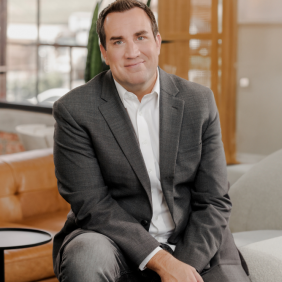
HOME_AboutDavidBurkus

About the author

David Burkus is an organizational psychologist, keynote speaker, and bestselling author of five books on leadership and teamwork.

Recommended Reading

0306 | Max McKeown

Max McKeown is a a new breed of business guru. He works consultant, researcher and writer focused on innovation and strategy. He is the author of two recently published books: The Strategy Book andAdaptability. In this interview, we discuss both books and why the best strategy for the future might just be adaptability.

0617 | Todd Henry

Todd Henry is the founder of Accidental Creative, a company that helps creative people and teams be prolific, brilliant and healthy. He regularly speaks and consults with companies about how to develop practices that lead to everyday brilliance. His new book, Louder Than Words, outlines the role of a authentic voice as an individual and […]

0706 | How Transformation Works with Roger Martin & Sally Osberg

Strategy guru Roger L. Martin and Skoll Foundation President and CEO Sally R. Osberg are co-authors of Getting Beyond Better: How Social Entrepreneurship Works. In this interview, they describe how social entrepreneurs target systems that exist in a stable but unjust equilibrium and transform them into entirely new, superior, and sustainable equilibria. All of these […]

Scroll to Top