0718 | Leading in the Social Age with Mark Babbitt

0718 | Leading in the Social Age with Mark Babbitt

Mark Babbitt is President of SwitchandShift.com, a site and consultancy dedicated to leadership in the Social Age. He is co-author of A World Gone Social. In this interview, we talk about how the world, and the world of work, has changed and how leaders have to adapt to survive.

[Listen in iTunes] [Listen on Stitcher]

In This episode, You’ll Learn:

  • Why “flat” is the new black
  • How to create and benefit from OPEN networks
  • Why listening is the new killer app for social leaders

Resources Mentioned In This Episode:

Enjoy This Episode?
If you enjoyed the show, please rate it on iTunes or Stitcher and write a brief review. That would really help get the word out and raise the visibility of the show.
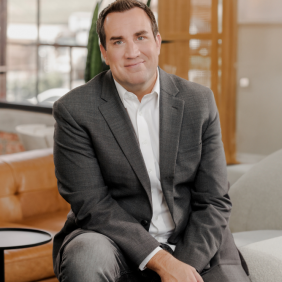
HOME_AboutDavidBurkus

About the author

David Burkus is an organizational psychologist, keynote speaker, and bestselling author of five books on leadership and teamwork.

Recommended Reading

0204 | Todd Dewett

Todd Dewett, Ph.D., is a tenured Professor of Management in the Raj Soin College of Business at Wright State University. He is also a noted speaker and consultant on leadership and management. In this interview, we talk to Todd about the various projects he has underway, including his new book The Little Black Book of […]

0202 | Guy Harris

Guy Harris describes himself as a Recovering Engineer. He has served as an officer aboard a US Navy Submarine, and he has held leadership positions in both major multi-national and small businesses. Guy is the author, with Kevin Eikenberry, or From Bud to Boss, a new book that focused on equipping newly promoted leaders.

0607 | Ray Fisman & Tim Sullivan

Ray Fisman and Tim Sullivan are the authors of newly updated and paperback edition of The Org: The Underlying Logic of the Office. Fisman is the Lambert Family Professor of Social Enterprise at Columbia Business School. Tim Sullivan is the editorial director of Harvard Business Review Press. In this interview, we discuss why even illogical seeming organizational […]

Scroll to Top