By:


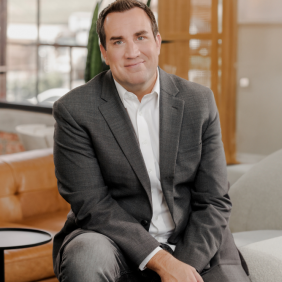
SCOTT HARTLEY is a venture capitalist and startup advisor. He has served as a Presidential Innovation Fellow at the White House, a partner at Mohr Davidow Ventures, and a venture partner at Metamorphic Ventures. Prior to venture capital, Hartley worked at Google, Facebook, and Harvard’s Berkman Center for Internet & Society. Hartley first heard the term “fuzzy” at Stanford, to refer to any liberal arts major at Stanford. In this interview, we discuss his observations that many of the most innovative “techie” firms need liberal arts minds as well.
[Listen in iTunes] [Listen on Stitcher]
In This episode, You’ll Learn:
- The Difference Between “Fuzzy” and “Techie” Personalities
- The Importance of Blending the Liberal Arts and Technology worlds
- How To Engage People to Think Critically
Resources Mentioned In This Episode:
- The Fuzzy and the Techie: Why the Liberal Arts Will Rule the Digital World
- Sensemaking: The Power of the Humanities in the Age of the Algorithm
- A Whole New Mind: Why Right-Brainers Will Rule the Future
Enjoy This Episode?
If you enjoyed the show, please rate it on iTunes or Stitcher and write a brief review. That would really help get the word out and raise the visibility of the show.
About the author
David Burkus is an organizational psychologist, keynote speaker, and bestselling author of five books on leadership and teamwork.