By:

There’s a particular kind of dread that settles over an organization in the days before the annual company meeting.
You can feel it in the Slack messages. “Is the all-hands this week?” “How long is it?” “Do we have to attend the whole thing?” Leaders who spent months building a deck start to suspect their audience has already checked out. And the HR or events team that poured weeks into logistics watches the calendar tick down wondering if it will all be worth it.
It usually isn’t—not because the content is bad or the venue is wrong, but because most annual meetings are designed to inform, when what they actually need to do is connect.
The annual company meeting is one of the most significant gatherings an organization holds all year. It’s often the only moment when everyone—from the executive team to frontline employees, from headquarters to regional offices—is in the same room or on the same call at the same time. That’s an extraordinary opportunity. Most organizations squander it by treating it like a very large status update.
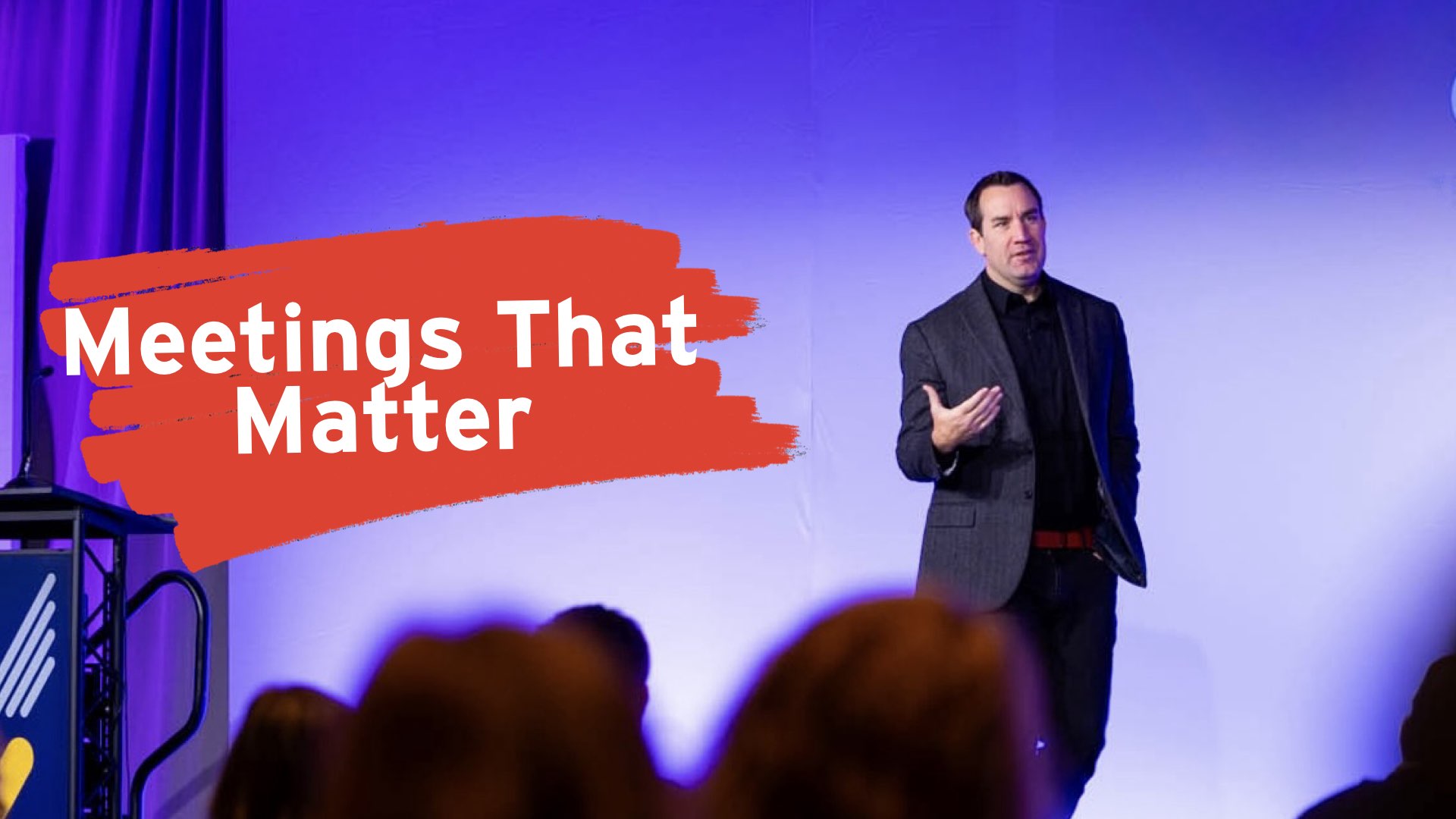
I’ve spoken at company annual meetings ranging from a few hundred to several thousand attendees, across industries and organizational cultures. The ones that leave people energized—genuinely energized, not just relieved it’s over—share a set of design choices that have nothing to do with production budget and everything to do with how the event is conceived. Here’s what those choices look like.
Decide What The Meeting Is Actually For
Before you build a single slide or book a single speaker, answer this question: what do you need people to feel and believewhen they walk out the door?
Not what topics you need to cover. What outcome you need to produce.
This sounds like a subtle distinction, but it changes everything about how you plan the event. “Cover Q4 results, preview the 2026 strategy, and recognize top performers” is a topic list. Leave every employee feeling genuinely confident in where the company is headed and clear about how their work connects to that direction”—that’s an outcome. One leads to a slide deck review. The other leads to an event worth attending.
The annual meeting’s core job is alignment—creating a shared understanding of where the organization is, where it’s going, and why each person’s contribution matters to getting there. Gallup research found that fewer than four in ten employees worldwide strongly agree that their company’s mission makes their job feel important—which means most organizations are failing at the one thing the annual meeting is uniquely positioned to fix. Information transfer is a byproduct of that alignment, not the goal. When planners confuse the two, they build agendas that are thorough and forgettable.
The most effective annual meetings I’ve attended or spoken at started with a leadership team that had a genuine answer to the question: what do we need our people to walk away knowing, feeling, and ready to do? Everything else flowed from that answer.
Treat The Keynote As The Heartbeat Of The Meeting
The annual meeting needs a moment. Not a parade of updates—a moment that the entire organization experiences together and that becomes the emotional and intellectual anchor for everything that follows.
That moment is usually the keynote. And most annual meetings get the keynote wrong in the same ways.
They put it in the wrong place. Scheduling a keynote after two hours of executive presentations means the room is already half-checked out before the most important content begins. The keynote should open the substantive portion of the meeting—before the updates, not after them. The same principle applies whether you’re planning an annual meeting for 2,000 employees or a leadership summit for 150 senior leaders—the keynote sets the frame through which everything else is interpreted.
They choose the wrong kind of speaker. The annual meeting keynote isn’t the place for a comedian, a celebrity, or a generic motivational speaker whose content has no connection to what your organization is actually facing. It’s the place for someone who can speak directly to the challenges your people are living—who can give them a framework for thinking about their work, their teams, and the year ahead.
They underestimate what a great keynote can do. A genuinely great annual meeting keynote doesn’t just inspire the room for an afternoon. It creates shared language—a vocabulary that leaders and employees use in conversations for months afterward. When someone references an idea from the keynote in a team meeting six months later, that’s the return on investment. That only happens when the content is specific enough to stick and practical enough to apply.
When briefing an external keynote speaker for your annual meeting, give them more context than you think they need. Share the strategic priorities. Share the cultural tensions. Share what went well last year and what didn’t. The more a speaker understands the texture of your organization’s reality, the more the keynote will feel like it was built for your people—because it was.
Rethink The Executive Presentation Format
The annual meeting’s executive update is necessary. People need to hear directly from leadership about where the company stands and where it’s going. The problem isn’t the update—it’s the format.
The traditional format is a sequence of executive presentations, each leader covering their function’s results and priorities. The audience sits and listens for two to three hours. Questions are collected in advance or saved for the end. By the fourth presentation, even the most engaged employees are processing their inbox.
A few format changes make an enormous difference:
Shorter segments, more transitions. No single executive should present for more than 15 to 20 minutes. Beyond that, attention degrades regardless of how good the content is. If a leader genuinely needs more time to cover their material, they probably need to cut their material, not extend their slot.
Conversation over presentation. The most effective format for executive updates isn’t a solo presentation—it’s a moderated conversation between two or three leaders that an interviewer (internal or external) draws out with specific questions. This format is more dynamic, harder to check out from, and often more honest than polished slide decks allow for. Leaders speak in their real voices instead of their presentation voices.
Live Q&A, not pre-selected questions. Nothing signals authenticity faster than a leader willing to take unscripted questions from the room. Nothing signals the opposite faster than “we’ve collected questions in advance and the CEO will answer the top five.” Your employees know the difference—and they adjust their trust accordingly.
Acknowledge what’s hard. Annual meetings that pretend everything is going well when the organization is navigating real challenges don’t build confidence—they erode it. Leaders who are willing to name the difficult things, explain how they’re thinking about them, and demonstrate genuine clarity about the path forward build far more trust than those who paper over the complexity with optimism.
Design For Energy Across The Full Day
Annual meetings—especially large ones—are long. Managing energy across a full day or multi-day event is a design challenge that most planners underestimate.
The typical approach is to pack the morning with content and hope the energy carries through the afternoon. It doesn’t. Post-lunch is when even the most committed attendees start to fade, and no amount of good intentions compensates for an agenda that ignores basic human cognitive limits.
A few principles that consistently work:
Open strong, not logistically. The first 15 minutes of the meeting sets the tone for everything that follows. Don’t spend them on housekeeping, Wi-Fi codes, and schedule reminders. Open with energy—a video, a recognition moment, a provocation from the CEO that immediately signals this meeting is going to be worth people’s time.
Break the format regularly. Variety sustains attention in ways that content quality alone cannot. Alternate between presentations, conversations, videos, and interactive moments. Even a two-minute polling question that puts results on the screen creates a format break that re-engages the room.
Use the afternoon differently. Don’t schedule your most demanding content after lunch. Use afternoon slots for recognition, interactive sessions, team activities, or breakout discussions where smaller groups can connect around specific topics. Save the high-cognitive-load content for morning when people are at their sharpest.
Build in genuine breaks. Not five-minute transitions between sessions—actual breaks where people can move, talk, and process. Fifteen to twenty minutes between major segments isn’t wasted time. It’s the time when people absorb what they just heard, compare notes with colleagues, and arrive at the next session mentally ready to engage.
Make Recognition Mean Something
Recognition is a fixture of almost every annual meeting—and one of the most consistently underwhelming parts of the program.
The typical format: a list of names is called, each person walks to the front, receives an award, shakes a hand, gets a photo. The audience applauds politely. Repeat thirty times. By the tenth name, even the recipients’ managers have stopped paying full attention.
Recognition done well does something different. It tells a story. It connects an individual’s or team’s contribution to the outcomes the organization cares about. It makes the people being recognized feel genuinely seen—not just named—and it makes the audience feel the recognition is meaningful, not ceremonial.
A few changes that dramatically improve recognition segments:
Less volume, more depth. Recognize fewer people in more meaningful ways rather than many people in cursory ways. Three to five stories told well will land harder than thirty names read from a list.
Let peers nominate. Recognition selected by leadership carries authority. Recognition selected by peers carries authenticity. The combination—peer nominations, leadership presentation—produces the most meaningful moments.
Connect recognition to values. When recognition is explicitly tied to the behaviors and values the organization is trying to reinforce, it does double duty: it honors the individual and it signals to everyone in the room what excellence actually looks like.
The Closing Moment Matters As Much As The Opening
Most annual meetings end with a closing keynote or remarks from the CEO—a final burst of inspiration before people scatter to their flights and dinners. Those closing moments are often the least memorable of the day, precisely because they’re positioned as a cap rather than a catalyst.
The annual meeting’s closing moment should do one thing: give every person in the room a clear, specific answer to the question “what am I going back to do?”
Not inspired feelings—a concrete next action. A commitment. Something small enough to be achievable in the next two weeks and meaningful enough to actually matter.
Building a structured commitment moment into the close of the meeting—ten minutes where individuals write down one thing they’re committing to do differently, and share it with one colleague—can extend the meeting’s impact for months. It transforms the annual meeting from an event people attend into an experience that changes how they work.
That’s the difference between a meeting your team endures and one they actually talk about.
If you’re planning a company annual meeting and want to explore how a keynote on leadership, teamwork, or collaboration could anchor your program and give your people frameworks they’ll carry back into their work, let’s talk.
About the author
David Burkus is an organizational psychologist, keynote speaker, and bestselling author of five books on leadership and teamwork.