0209 | Teresa Amabile

0209 | Teresa Amabile

Teresa Amabile is the Edsel Bryant Ford Professor of Business Administration and a Director of Research at Harvard Business School. Originally educated as a chemist, Teresa received her doctorate in psychology from Stanford University. She studies how everyday life inside organizations can influence people and their performance. Teresa’s research encompasses creativity, productivity, innovation, and inner work life – the confluence of emotions, perceptions, and motivation that people experience as they react to events at work.

In this interview, we discuss her latest research project, chronicled in her new book The Progress Principle: Using Small Wins to Ignite Joy, Engagement, and Creativity at Work. The book, based on research into nearly 12,000 daily diary entries from over 200 professionals inside organizations, illuminates how everyday events at work can impact employee engagement and creative productivity
HOME_AboutDavidBurkus

About the author

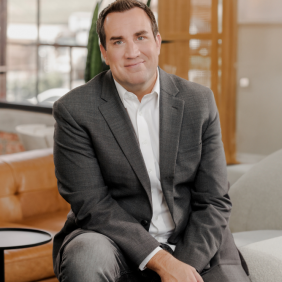
David Burkus is an organizational psychologist, keynote speaker, and bestselling author of five books on leadership and teamwork.

Recommended Reading

0412 | Heidi Grant Halvorson

Heidi Grant Halvorson is Associate Director of the Motivation Science Center at the Columbia Business School. She is co-author (with E. Tory Higgins) of Focus: Use Different Ways of Seeing the World for Success and Influence. In this interview, we talk about the two different motivational focuses people can have on the world, how it affects […]

0205 | Tim Harford

Tim Harford is a senior columnist for the Financial Times. His column, “The Undercover Economist,” reveals the economic ideas behind everyday experiences. He is also the author of Adapt: Why Success Always Starts with Failure. In this interview, we discuss how leader’s can build organizations ready to learn from their (and others’) failures.

0509 | Kathy Cramer

Dr. Kathy Cramer is the author of Lead Positive: What Highly Effective Leaders See, Say, and Do. A psychologist by training, she created and has dedicated her life to asset-based thinking (ABT), a way of looking at the world that helps leaders, influencers, and their teams make small shifts in thinking to produce extraordinary impact. […]

Scroll to Top