0407 | Francesca Gino

0407 | Francesca Gino

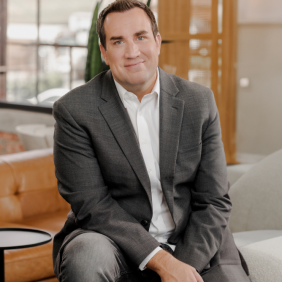
Francesca Gino is Associate Professor of Business Administration in the Negotiation, Organizations, & Markets Unit at the Harvard Business School. Her research focuses on judgment and decision making, social influence, and ethics and creativity. Her studies have been featured onCNN and NPR, as well as in leading print publications including Economist, Financial Times, New York Times, Newsweek, Scientific American, and Psychology Today.

She is the author of the new book Sidetracked: Why Our Decisions Get Derailed, and How We Can Stick to the Plan.

Listen below or subscribe via iTunes.

This podcast is supported by Audible.com. Get a free audiobook just for trying it at www.audibletrial.com/lead.
HOME_AboutDavidBurkus

About the author

David Burkus is an organizational psychologist, keynote speaker, and bestselling author of five books on leadership and teamwork.

Recommended Reading

0416 | Michael Raynor

Michael E. Raynor is a Director at Deloitte Services LP and the Innovation Theme Leader in the firm’s Eminence function. In addition, Raynor is an advisor to senior executives in many of the world’s leading corporations across a wide range of industries. He is the co-author (with Mumtaz Ahmed) of The Three Rules: How Exceptional […]

0705 | Creating an Environment That Energizes Everyone with Shawn Murphy

Shawn Murphy is CEO and founder of Switch & Shift, an organization dedicated to the advancement of human-centered organizational practices and leadership. He is the author of The Optimistic Workplace. In this interview, Shawn and I discuss why our best work is the product of a positive environment and how to build that environment. [Listen […]

0706 | How Transformation Works with Roger Martin & Sally Osberg

Strategy guru Roger L. Martin and Skoll Foundation President and CEO Sally R. Osberg are co-authors of Getting Beyond Better: How Social Entrepreneurship Works. In this interview, they describe how social entrepreneurs target systems that exist in a stable but unjust equilibrium and transform them into entirely new, superior, and sustainable equilibria. All of these […]

Scroll to Top