0517 | Henry Evans

0517 | Henry Evans

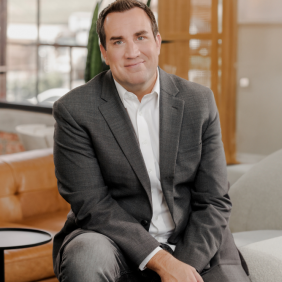
Henry is co-author (with Colm Foster) of Step Up: Lead in Six Moments that Matter. He is the founder and Managing Partner for Dynamic Results, LLC, providing coaching and consulting solutions to companies and individuals. He provides performance coaching to independent executives, as well as those in national organizations, helping each achieve their desired goals. In this interview, we talk about how to lead when it matters and how to know when it matters.

Listen below or subscribe via iTunes or Stitcher.

This podcast is supported by Audible.com. Get a free audiobook (including The Myths of Creativity) just for trying it at www.audibletrial.com/lead.
HOME_AboutDavidBurkus

About the author

David Burkus is an organizational psychologist, keynote speaker, and bestselling author of five books on leadership and teamwork.

Recommended Reading

0619 | Jean-Philippe Vergne

Jean-Philippe Vergne is the author of The Pirate Organization. He is an assistant professor of strategy at the Richard Ivey School of Business at the University of Western Ontario. His ongoing research on the global arms industry received the inaugural Grigor McClelland Doctoral Dissertation Award in 2011. In this interview, we discuss how pirates and […]

0607 | Ray Fisman & Tim Sullivan

Ray Fisman and Tim Sullivan are the authors of newly updated and paperback edition of The Org: The Underlying Logic of the Office. Fisman is the Lambert Family Professor of Social Enterprise at Columbia Business School. Tim Sullivan is the editorial director of Harvard Business Review Press. In this interview, we discuss why even illogical seeming organizational […]

0712 | How to Build a High Performing Culture

Nee Doshi and Lindsay McGregor are partners in life, work, and writing. The are the founders of the consulting firm Vega Factor and authors of Primed to Perform. In this interview, we dive deep into culture, systems, and motivation. We define TOMO and outline how the science of motivation can help build high performing cultures. […]

Scroll to Top