By:

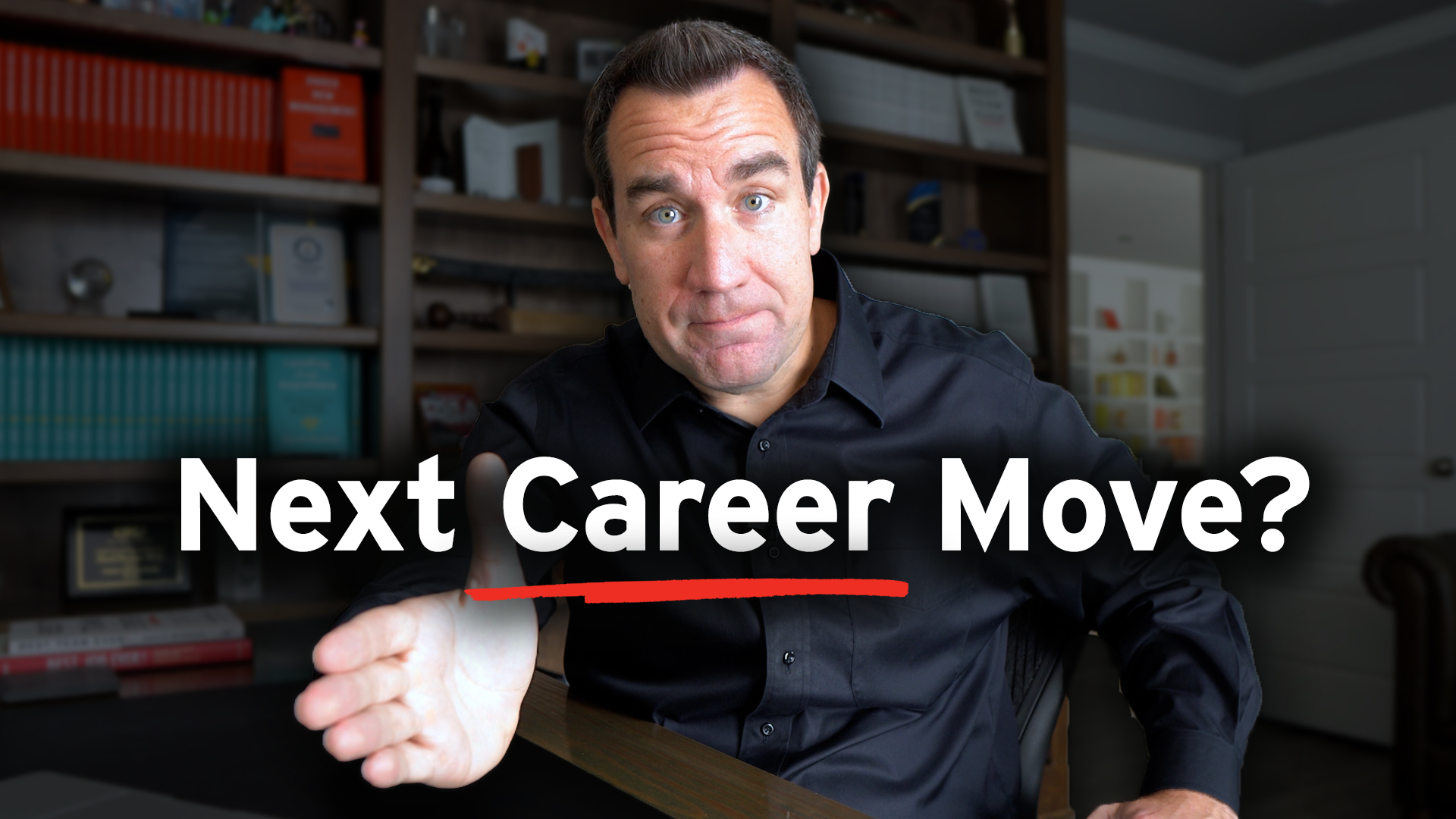
The Sunday dread is real. You know the feeling — it’s 2 p.m., the weekend isn’t over yet, but your brain has already clocked into Monday. You’re going through the motions at work, still showing up, still technically doing the job, but something is off. And now you’re sitting with a question that feels both urgent and terrifying: Is it time for a career change?
Here’s the encouraging part: you’re not alone, and you’re not broken. Research suggests that 78% of working adults will make at least one significant career change during their working years. A full quarter will do it multiple times. Career pivots aren’t the exception anymore. They’re practically the norm — driven by longer lifespans, shifting industries, and the simple reality that people grow. What lit you up at 28 might feel hollow at 42.
But knowing that career changes are common doesn’t make yours any easier to navigate. And the biggest mistake most people make isn’t staying too long or leaving too soon. It’s skipping the most important step entirely: figuring out what the real problem actually is.
Before You Make A Career Change, Ask Yourself These Questions
There’s a critical distinction that most career advice glosses over. A problem with your job is different from a problem with your company, which is different from a problem with your industry, which is different from a problem with your career path entirely. These aren’t the same problem, and they don’t have the same solution. Confusing them is how people quit a perfectly good career because of a toxic manager — and end up just as miserable somewhere new.
Start with four honest questions.
- What would I do if money weren’t a factor? This isn’t about fantasizing. It’s about surfacing what you actually value. The activities you’d do without pay are clues about what energizes you — and those clues are the raw material for figuring out where to point next.
- Am I running away from something, or toward something? Running from a draining situation can absolutely be the right call. But if you’re not running toward a clear destination, you’re likely to recreate the same dissatisfaction in a new setting. Different company, same trap.
- What skills do I have that I’m not using? Research consistently shows that people who use their strengths at work daily are far more engaged and satisfied. Sometimes the problem isn’t the wrong career — it’s that you’ve grown past the current role. The work has become too small for the person you’ve become.
- Who do I envy professionally? Jealousy gets a bad reputation, but psychologist Susan David has a useful reframe: emotions are data, not directives. That twinge of envy when you see someone else’s career? It’s pointing at something you want. Worth exploring.
If you’ve worked through these questions honestly and you still feel the pull toward change, that’s meaningful information. Here’s how to move forward without blowing it up for yourself — or anyone who depends on you.
Talk to People Who Already Do the Work
Most career decisions are made based on what a job looks like — the title, the LinkedIn bio, the job description. But there’s always more to it than what gets advertised. Roles that sound exciting in a posting can be grinding in practice. And roles that sound boring can be deeply fulfilling once you’re inside them.
The fix is simple: have a 30-minute conversation with a few people who actually do the work you’re considering. Ask them what they love. Ask them what they hate. Ask them what the path toward getting that job actually looks like — because that’s rarely what you’d guess from the outside. Odds are, you’re closer to someone doing this work than you think. And here’s the thing about most people: they love talking about their work. Ask.
Run Small Experiments Before You Make the Big Leap
One study on career transitions found that the process is rarely linear. It almost never looks like: quit job in one field, get hired in another. More often, it involves a period of experimentation — trying on different types of work, taking on adjacent projects, consulting, freelancing — before landing on what actually fits.
So, before you hand in your resignation, generate some data. Here’s a few ways to do just that:
- Freelance on the side. If you’re eyeing a new field, take on a few small projects in the evenings or on weekends. Even five hours a week doing that new work will tell you more about whether you love it than any amount of research or daydreaming. And the flip side is equally true: if you can’t get through five hours of it, forty hours a week probably isn’t the answer.
- Volunteer. Nonprofits and community organizations are almost always looking for skilled help. There’s likely one near you working in an area adjacent to where you want to go. You’ll get real-world experience, build your resume in a new direction, and most importantly, get honest feedback about whether this new path is as green as it looked from the outside.
- Take on a stretch project. You don’t always have to leave your current organization to test a new direction. Talk to your manager about your interests and ask whether there are adjacent projects that could give you exposure to different work. Sometimes that conversation leads to an internal move — and an internal move is the easiest career change you’ll ever make.
The purpose of this phase isn’t certainty. It’s information. Every experiment either confirms you’re on the right track or saves you from an expensive mistake. Both outcomes are a win.
Give Yourself a Deadline — And Mean It
Here’s the trap. People do the reflection. They talk to a few contacts. They run a freelance project or two. And then nothing. The question stays open indefinitely.
You’ve met these people. Someone introduces themselves and tells you what they do, then immediately adds, “But what I really want to do is…” — and it’s clear they’ve been saying that sentence for years.
Goal-setting research is consistent on this point: people who attach a specific deadline to a goal are significantly more likely to achieve it than those who keep it open-ended. A career change is a goal. Treat it like one. Set a date — 90 days, six months, the end of the year — and make it concrete. Write it down somewhere you’ll see it. The deadline isn’t about pressure. It’s about taking the decision seriously enough to actually make it.
The Most Intentional People Win
The people who successfully navigate a career change aren’t usually the ones who took the biggest risk. They’re the ones who were the most intentional. They did the reflection. They had the conversations. They ran the experiments. And because of that preparation, by the time they made the leap, it wasn’t really a leap at all — it was a calculated step onto ground they’d already tested.
A career change doesn’t have to mean blowing everything up. It can be — and usually should be — a deliberate process of learning, experimenting, and building toward something better. The transition might not be immediate. But done right, it doesn’t have to be terrifying either.
If you’re sensing that your current path no longer fits who you’re becoming, that feeling is worth taking seriously. Just make sure you’re running toward something — and that you’ve done enough homework to know it’s actually there when you arrive.

About the author
David Burkus is an organizational psychologist, keynote speaker, and bestselling author of five books on leadership and teamwork.